
Is a Holiday in Albania safe?
Some travellers might ask if it is safe to travel in Albania. I would like to answer this question in my travel blog today. The small Balkan state on the Mediterranean has recently become an increasingly attractive holiday destination. The impressive natural beauty, majestic mountains and picturesque coastline, coupled with a great history, are winning the hearts of hikers and cultural travellers. As beautiful as the country appears at first glance, the question arises: Is it safe to travel to Albania? Time and again, there are reports or rumours of dangers and uncertainties that could unsettle potential travellers. This article will examine whether Albania is a safe country and whether it can be travelled without hesitation.

By Dirk Pohlers, adventure traveller from Germany. I visit every place I write about & share real tips, photos, & advice from my trips.
Table Of Contents
Is Albania a dangerous destination for travellers?
Security in Albania is often presented in a slightly distorted light. For many, the country is considered unsafe because there have been many uncertainties in the recent past. After the fall of the communist regime in the 1990s, Albania admittedly experienced a period of instability. But that is now in the past. Today, Albania is a safe country with an expanding economy and has established itself as a peaceful and attractive tourist destination.
I felt just as safe in Albania as usually in other European countries such as Italy, Greece or Spain. I did not experience any crime targeting tourists – not even theft. As with any other holiday, you should still always keep a close eye on your valuables and avoid leaving them in plain sight in the car.
It was only the road traffic that really gave me a bit of a scare during my Self-Drive tour of Albania. And as I did spot the odd snake or two, you should also find out about dangerous animals in Albania – but don’t worry, the snakes always slithered off just as I approached.
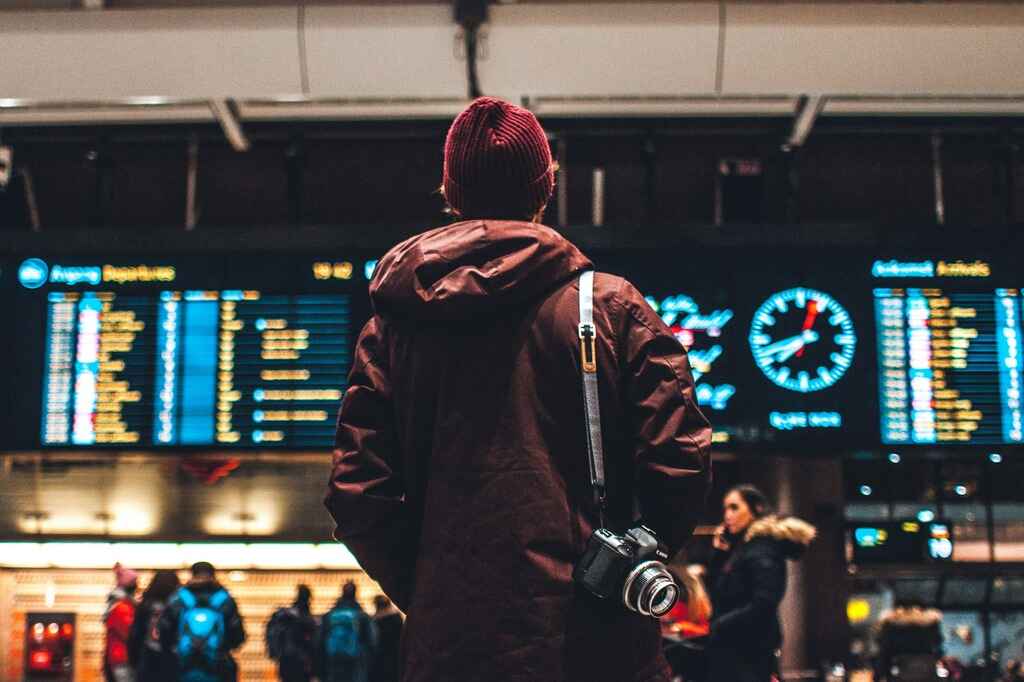
Albania’s crime statistics show comparatively low crime rates, especially in popular tourist areas. Safety is very good in cities such as Tirana, Berat or Gjirokaster, as well as in other tourist spots along the coast and in mountainous regions. Albanians are known for their hospitality, and travellers consistently report great experiences and the locals’ hospitality.
Is Tirana safe for tourists?
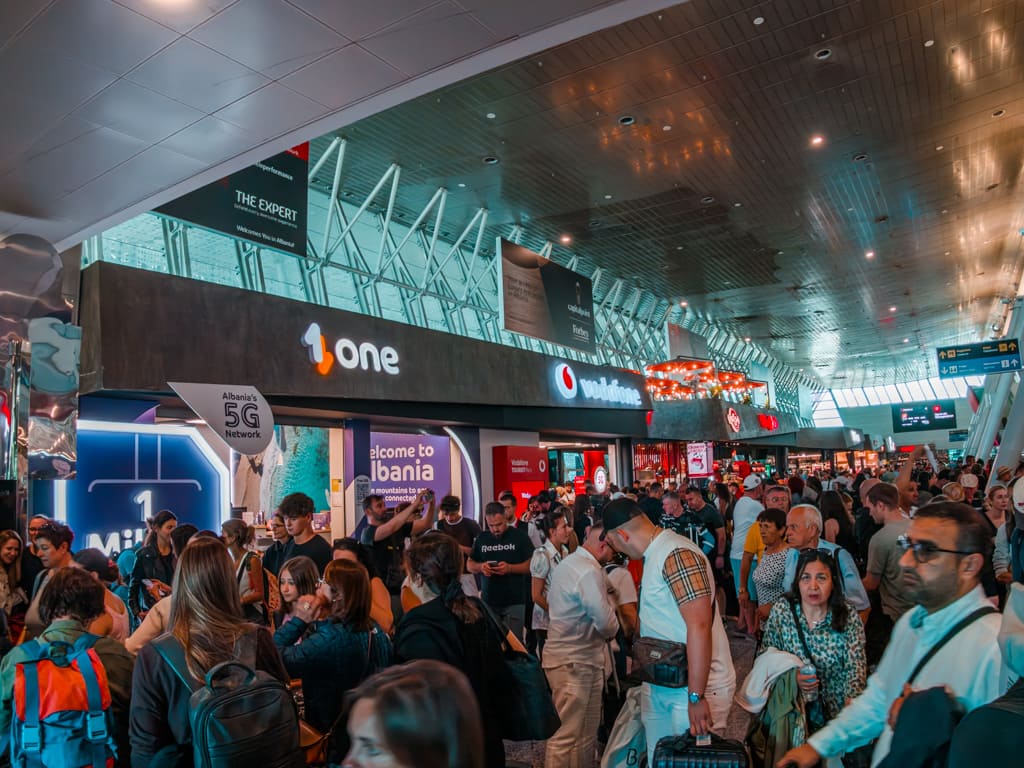
Tirana is considered as relatively safe for tourists. The city’s crime rate is lower than in many Western capitals, but like any major city, it’s wise to remain vigilant. Petty crime such as pickpocketing can occur, especially in crowded areas like markets or public transport. Keep your belongings secure and be more cautious in busy areas.
Possible dangers in Albania? – A rational view
As in any other tourist destination, there are some risks in Albania that travellers should be aware of. However, most of them are manageable and easy to avoid. As in other European capitals, petty crime can occur in overcrowded tourist areas, but is a rare phenomenon in my experience. Caution is advised in busy areas or large crowds. Keep your valuables safe and be vigilant, especially around train stations, markets, and other busy places.
In rural areas, especially in the mountains, it is important to be aware of current weather conditions and possible natural hazards such as landslides and flooding. Depending on the season, hiking trails can also be challenging: it is advisable to have the right equipment with you. Another aspect is the safety of travellers. Traffic in Albania differs (despite official traffic rules) from that in Central Europe: driving style and roads pose a particular challenge for those who are used to road traffic in Central Europe. Caution and cautious driving are advised here.
My Tips for safe travel in Albania
The crime rate in Albania is low, and we actually found the country to be much safer than is often reported. Nothing happened to us during our entire holiday in Albania, and other travellers haven’t told us of any bad experiences either.
Petty crime such as pickpocketing can occur, though the use of force is very rare. If you follow a few rules of conduct, you shouldn’t have any problems in Albania.
- Keep your valuables close to your body – We recommend taking a bum bag to carry your valuables in. It’s best not to leave them in a rucksack on your back or anywhere where they can easily be stolen. This applies particularly to the cities in Albania where there are lots of people.
- Keep your belongings close to your body – Especially on the beach in Albania, in restaurants and on buses, you shouldn’t leave your belongings unattended. This applies not only to valuables, but to all your belongings.
- Don’t leave valuables in the car and stow your belongings in the boot – If you’re travelling around Albania in a hire car, make sure to stow your bags in the boot and don’t leave anything visible on the seats. We wouldn’t generally leave valuables in the car.
- Leave your documents at your accommodation – When going on excursions, we only take the valuables we really need. For example, we always leave our passports at the accommodation and only take the bare minimum of cash with us.
Dangerous animals in Albania
There are some dangerous animals in Albania. However, you don’t need to worry too much about them. It’s rather unlikely that they will cross your path. Nevertheless, before you go sightseeing in Albania, you should be aware of which dangerous animals live there.
Snakes
There are many snakes in Albania, including some venomous snakes. We definitely saw two live snakes in Albania. After a bit of research, however, we’re pretty sure that the snakes we saw weren’t venomous. But before you start worrying too much, the snakes are all very shy and will move away immediately once they spot you. Snake bites actually only happen if you step on them.
Snakes sense vibrations on the ground, and you can amplify these with walking sticks and a firm step. Poisonous snake species in Albania include, for example, the European adder (Europe’s most venomous snake), the eastern green whip snake, the common viper and the meadow viper. The only one that is truly dangerous to humans is the European adder, which is, however, very shy.
Shepherd Dogs
We were repeatedly warned about shepher dogs whilst hiking in the mountains in the north. They accompany herds of sheep and can become aggressive if you get too close to them.
If you come across flocks of sheep, it is adisable to give walk around them in a large circle – especially if there is no shepherd present. In the end, we hardly saw any flocks of sheep and therefore had no problems with sheepdogs at all.
Bears
Albania is also home to brown bears – many of which live in the Albanian Alps, through which the popular Peaks of the Balkans Trail leads. Generally, however, those bears live in very remote areas and it is unlikely that you will ever see or encounter them.
While in the mountains, it is advisable to hike in a group and to talk. This usually keeps bears at a distance. If you should encounter a bear, it is important to stay calm and not approach it. Do not run away and do not try to fight the bear in any way.
Are there any dangerous animals by the sea in Albania?
Snakes also live in areas close to the sea. So always watch your step carefully. Otherwise, a seaside holiday in Albania is not dangerous. There are neither sharks nor other dangerous animals in the Mediterranean.
However, there may be jellyfish in the sea. Check this out again when you’re there if you’re worried. The likelihood of jellyfish is higher in summer when the water is warm.
Travelling to Albania as a solo female traveller
Whether it is safe for women to travel to Albania as a tourist has rightly received a lot of attention. Many women feel unsafe travelling alone or with a female friend in foreign countries. In essence, concerns about Albania are unfounded. It is a conservative but open country that respects women.
Female travellers to me overwhelmingly reported positive experiences and that they feel safe in this part of the world. Of course, the usual precautions apply here as in any country. In the big cities and tourist centres, the sense of security is generally high and women can move around freely even in the evenings without much concern.
However, it’s always wise to take standard precautions:
- Dress modestly in religious places: While Albania is relatively liberal compared to some neighbouring countries, dressing modestly can help to avoid unwanted attention, especially in more rural or traditional areas. When visiting churches or other religious places, wear clothing that covers your knees and shoulders.
- Avoid walking alone late at night: Stick to well-lit and populated areas if you’re going out in the evening. Check maps and transportation and know where you’re going and how to get home.
- Be cautious with personal information: As with any destination, be cautious about sharing personal details (e.g. where you’re staying) with strangers.
Emergency numbers in Albania
In case of an emergency in Albania, these are the contact numbers to call:
- Police: 129 or 112
- Ambulance: 127
- Fire Department: 128
Keeping your money & credit cards safe



Hi. I’m Dirk, adventure traveller, originally from Germany. In 2020, Adventure Albania, started as an Albania travel blog. A few months later, I founded a small travel agency to complement my recommendations with some of the best experiences that I found, organized by local partners and friends.
I have meanwhile moved to Albania and am now based in Tirana. I continue exploring new corners of Albania and the balkans and regularly update my blog with the latest in travel and experiences. If you are visiting Albania as a digital Nomad, check out my coliving project "Nomad Island Tirana".

I only make genuine, worthwhile recommendations based on my experience, expertise, & research. If you buy through my links, I may get a commission, supporting this website at no extra cost to you.
 English
  Français
  Italiano
  Polski
  Nederlands
  Svenska
  Español
  עִבְרִית